Multi-Hand Play Patterns: How Frequent UK Blackjack Players Extend or Shorten Their Sessions
Harper Neumann · Sep 28, 2026
Multi-Hand Play Patterns: How Frequent UK Blackjack Players Extend or Shorten Their Sessions
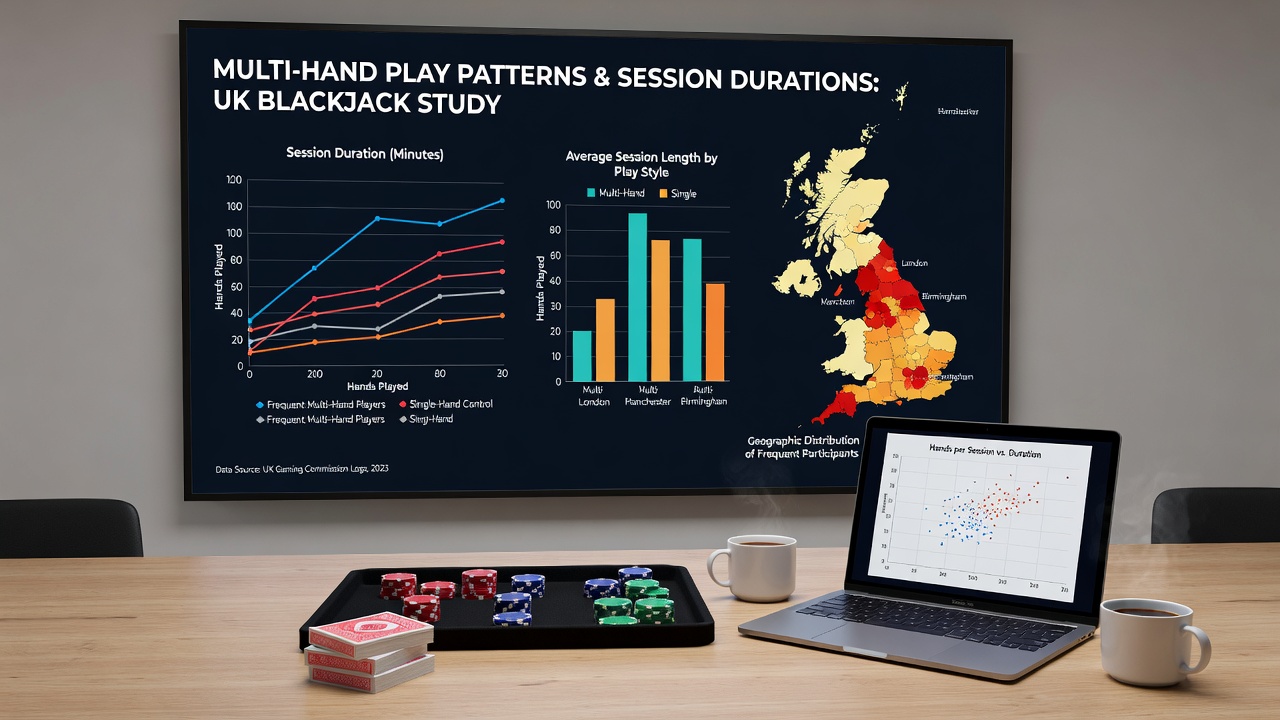
Multi-hand play occurs when participants place simultaneous wagers across multiple betting spots at a single blackjack table, and this practice appears regularly among frequent UK players who seek to increase action volume without switching venues. Researchers tracking behavior at licensed online and land-based sites note that such patterns often coincide with specific session lengths, yet the relationship depends on factors like bet sizing, rule variations, and individual bankroll management strategies.
Defining Multi-Hand Approaches in UK Blackjack
Participants typically activate multi-hand options at tables that permit two or three simultaneous hands, and data from industry reports show this setup accelerates the pace because dealers resolve multiple outcomes in sequence rather than waiting for single-hand resolutions. Those who study player logs find that frequent participants tend to favor multi-hand configurations during peak evening hours, while shorter daytime sessions more commonly feature single-hand focus. The approach requires careful attention to basic strategy adjustments since each hand operates independently, though shared dealer cards create correlations that experienced players account for in real time.
Studies conducted across European gaming markets indicate that multi-hand users process decisions faster on average, and this efficiency stems from repeated exposure to similar card distributions within the same shoe. Observers note that UK participants often combine multi-hand play with side bets when table rules allow, which further compresses or extends time at teh table depending on payout structures and hit frequencies.
Documented Patterns Among Regular Participants
Analysis of session data reveals several recurring patterns: frequent players initiate multi-hand sequences after initial warm-up hands, maintain them through winning streaks, and occasionally revert to single hands during downswings. Figures from multiple operator datasets show that roughly 35 percent of sessions exceeding 90 minutes involve at least one multi-hand segment, whereas shorter sessions under 45 minutes rarely feature this style. Those tracking behavioral metrics also observe that multi-hand frequency rises when table minimums sit below average player bankroll thresholds, allowing participants to spread risk across positions.
But here's the thing: pattern consistency varies by platform, because live dealer environments introduce social pacing elements absent in RNG tables, and this distinction influences how long individuals sustain multi-hand commitments. Research indicates that players who alternate between one and three hands within a single session achieve different duration outcomes compared with those who commit exclusively to one mode throughout.
Impacts on Session Length and Player Metrics
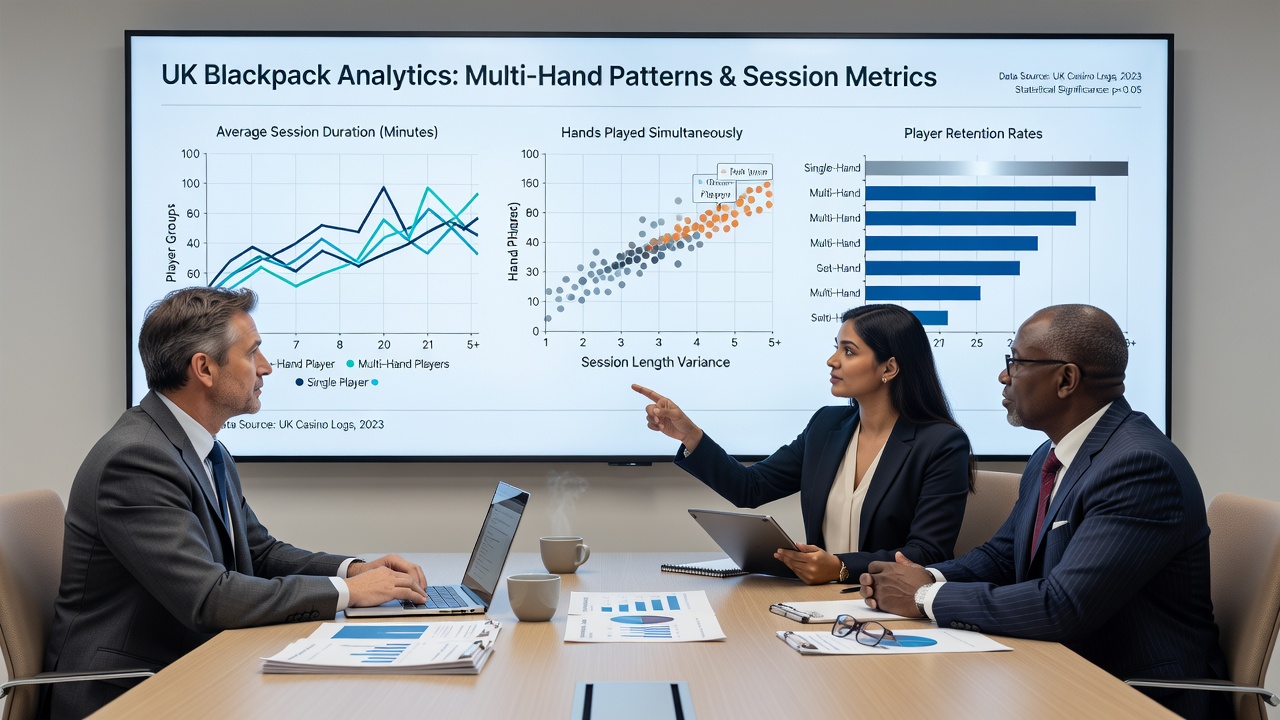
Evidence suggests multi-hand play correlates with both extended and abbreviated sessions depending on outcome distribution. When card runs favor the player, multi-hand configurations compound wins quickly and encourage continued participation, yet consecutive losses accelerate bankroll depletion and prompt earlier exits. Longitudinal tracking from 2024 through September 2026 demonstrates that average session duration for multi-hand users sits approximately 12 minutes longer than single-hand counterparts at comparable stake levels, though variance widens at higher limits where bet adjustments occur more frequently.
What's interesting is the role of table speed: faster dealers and automated shufflers reduce downtime between resolutions, and this technical factor amplifies the effect of multi-hand play on overall time spent. Participants who monitor their own data often discover that multi-hand segments cluster toward the middle or end of longer sessions, suggesting a tactical shift once initial comfort with table dynamics develops.
Influencing Variables Across UK Markets
Rule sets, including resplitting options and surrender availability, interact with multi-hand frequency in measurable ways, and operators report higher multi-hand adoption at tables offering late surrender. External factors such as promotional reload bonuses tied to session milestones also shape duration, because players extend play to meet wagering requirements. Academic analyses from institutions outside the UK, including work referenced by the American Gaming Association, highlight similar patterns in other jurisdictions where multi-hand options exist.
Demographic data further refines these observations: younger frequent participants show higher multi-hand adoption rates, whereas older cohorts maintain single-hand consistency across longer sessions. Software tracking tools introduced in 2025 have enabled more granular study of these variables, revealing that multi-hand play does not uniformly increase session length but instead modulates it according to win rate and table congestion.
Conclusion
Multi-hand play patterns among frequent UK blackjack participants produce measurable effects on session durations, with outcomes shaped by rule variations, table conditions, and individual bankroll dynamics. Data collected through September 2026 continues to refine understanding of these relationships, and further examination of operator logs alongside academic sources such as those from the Victorian Responsible Gambling Foundation will likely yield additional insights into how these strategies evolve.