Adapting Broadcast Strategies: Viewer Techniques from UK Live Blackjack Translated to RNG Sessions
Amir Long · Sep 14, 2026
Adapting Broadcast Strategies: Viewer Techniques from UK Live Blackjack Translated to RNG Sessions
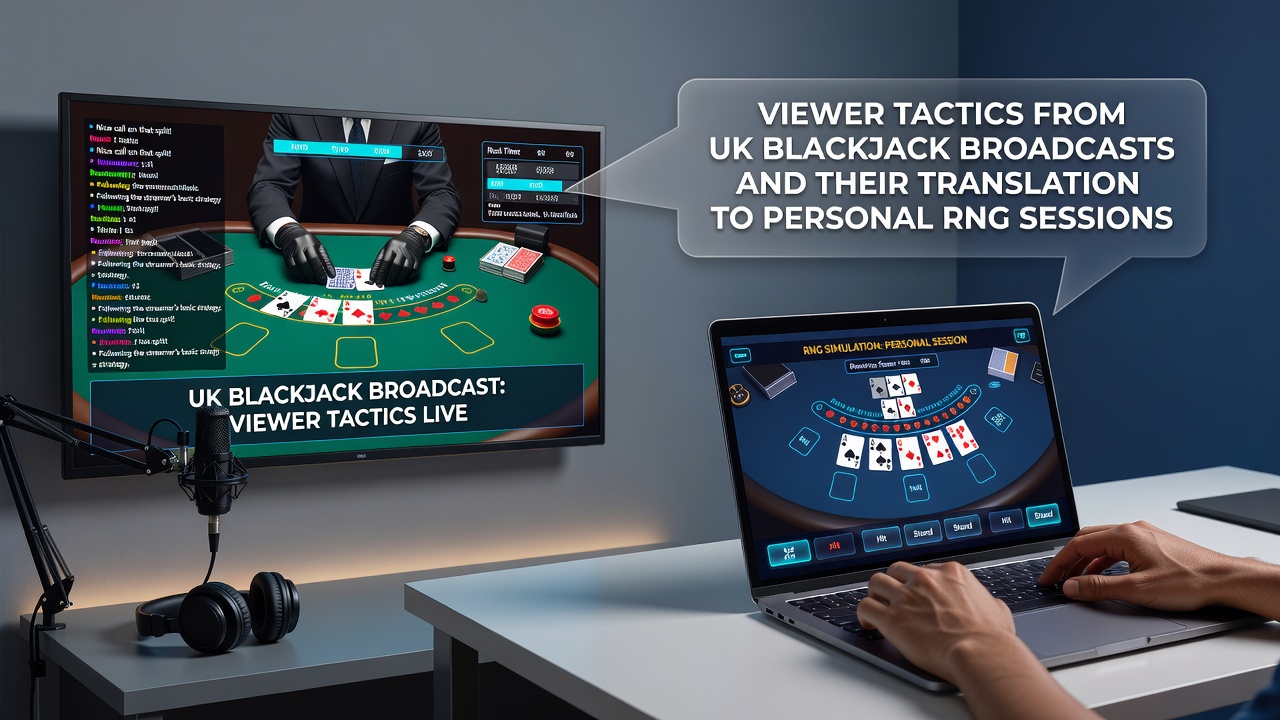
UK live blackjack broadcasts have grown in popularity since their early expansion, and observers note that many viewers extract specific tactics from these streams before applying them in personal RNG sessions, where digital random number generators replace physical decks and dealers. Data from industry reports indicate that participants often focus on timing of side bets, bankroll pacing, and rule variations visible in the live dealer format, then test those patterns against automated RNG outcomes.
Core Tactics Observed in Broadcasts
Viewers frequently track how experienced players manage splits and doubles under different dealer upcards, and researchers have documented that these habits carry over when users switch to RNG tables because the underlying probability structures remain consistent even without a physical dealer. One common approach involves monitoring the frequency of insurance offers during broadcast rounds, which helps users recognize when similar prompts appear in RNG interfaces, although the random generation process eliminates any sequencing cues from prior hands. Studies from the Australian Gambling Research Centre show that players who review live streams before RNG play tend to adjust their bet sizing more deliberately across consecutive rounds.
Translation Challenges with RNG Mechanics
Live broadcasts display continuous card flow and dealer mannerisms that viewers sometimes interpret as signals, yet RNG sessions replace those elements with algorithmic outputs, so the same visual cues disappear and force reliance on statistical expectations instead. Experts have observed that users who adapt broadcast tactics successfully concentrate on fixed elements such as payout ratios for side bets and table-specific rules like resplitting or surrender options, both of which function identically whether the source is live or RNG. In September 2026, platform analytics revealed increased session lengths among users who cross-reference live stream observations with RNG practice modes, suggesting that deliberate comparison helps refine decision trees without depending on physical tells.
Bankroll and Pace Management Patterns
Many viewers adopt the pacing rhythms they see in UK streams, where players often pause between decisions or vary wager amounts after losses, and those who transfer the same intervals to RNG environments report steadier session control according to aggregated platform data. The approach works because RNG software still follows standard blackjack probabilities, allowing users to apply the same progression formulas they witness on screen. Figures from the Nevada Gaming Control Board indicate that structured bankroll segmentation, a technique highlighted in multiple live dealer broadcasts, correlates with longer average playtimes across digital formats as well.
Side Bet and Rule Variation Applications
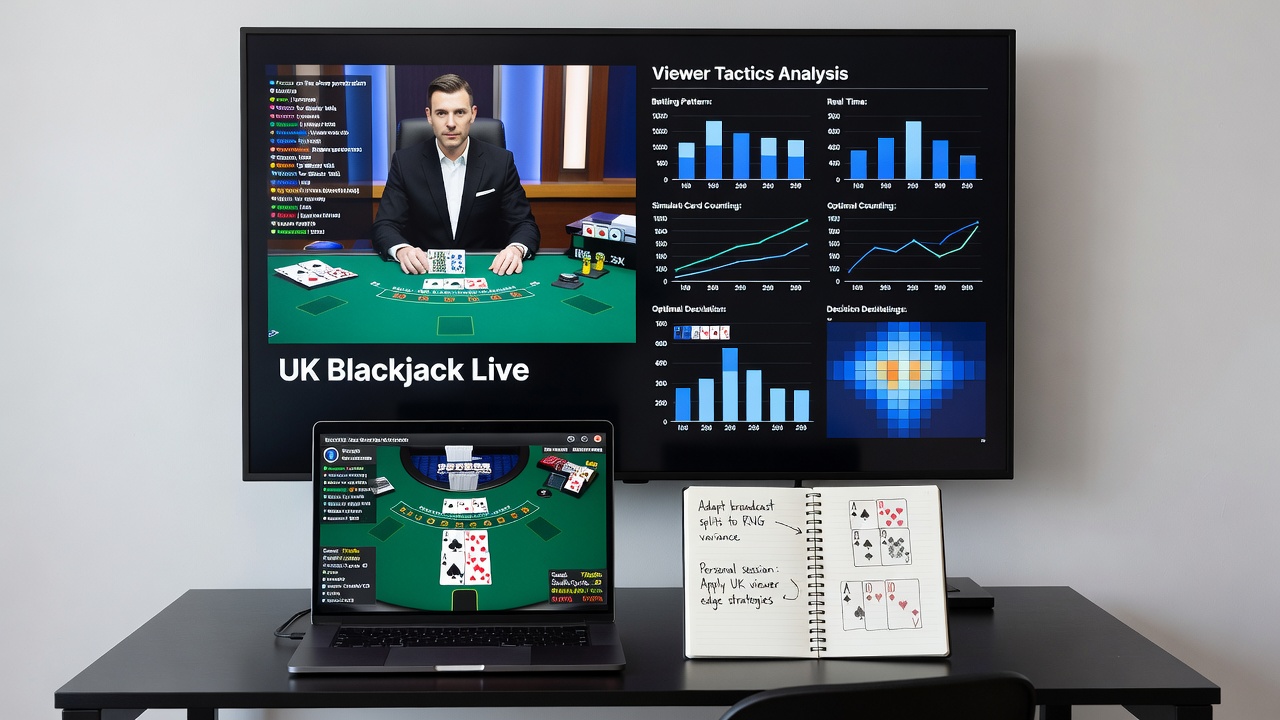
Broadcast viewers pay close attention to the frequency and timing of side bet placements shown by high-volume participants, then replicate those patterns in RNG games where the same side bet options appear in menu form. Research indicates that when users limit side bet activity to the proportions observed in streams, overall volatility stays within expected ranges because RNG outputs adhere to the same paytables. Those who study rule sets across multiple UK live tables also identify favorable combinations such as late surrender availability before seeking identical settings in RNG lobbies, which streamlines the transition between formats.
Practical Examples from Player Sessions
Take one viewer who noted consistent dealer bust rates during evening UK broadcasts and later applied an adjusted hit-or-stand threshold in RNG sessions when the same upcard appeared, resulting in measurable alignment with basic strategy charts. Another case involved users who tracked broadcast participants' responses to multi-card splits and then practiced identical sequences in RNG practice modes until the decisions became automatic, even though the random generation removed any sequential card memory. These examples illustrate how observable actions from live streams convert into repeatable inputs for RNG software without requiring physical presence.
Conclusion
Viewer tactics drawn from UK blackjack broadcasts translate to personal RNG sessions primarily through rule awareness, bet structuring, and decision consistency rather than reliance on visual dealer cues, and data continues to track how these cross-format habits evolve. Users who systematically compare stream observations with RNG outcomes maintain clearer records of which adjustments produce measurable alignment with expected probabilities.